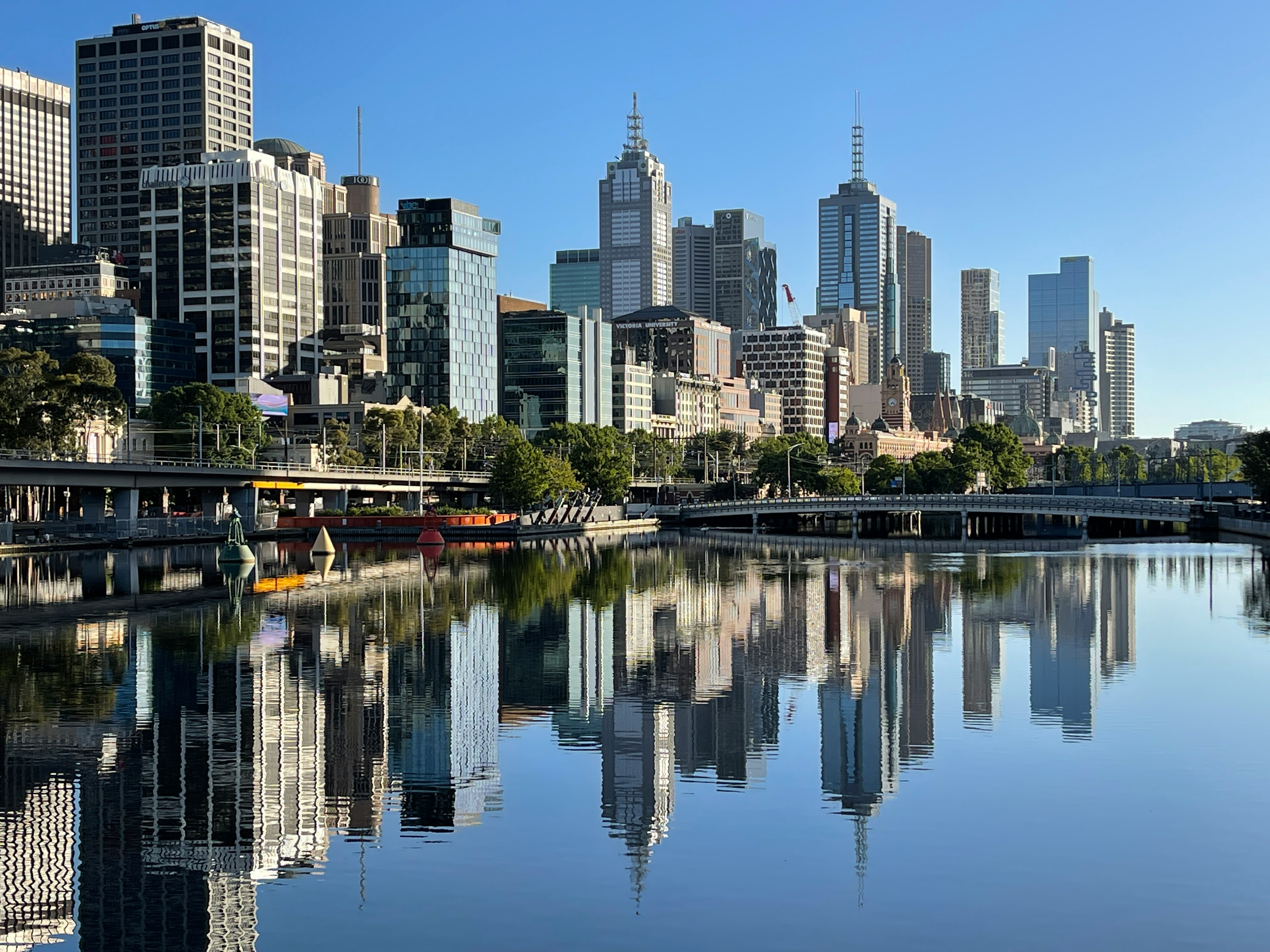
Melbourne consistently ranks as one of Australia's most dynamic cities for small business. Its diverse population, strong café and hospitality culture, growing outer suburbs, and active professional services sector create genuine demand across a wide range of business types. If you are thinking about starting a business in Melbourne in 2026, the opportunity is real — but so is the competition.
This guide covers the practical steps to starting an independent business in Melbourne, from validating your idea through to launch.
Start with the market, not the idea
The most common mistake aspiring Melbourne business owners make is falling in love with their idea before testing whether customers will actually pay for it. Melbourne has a sophisticated, discerning consumer base. What works in another city or another country does not automatically translate.
Before you invest a dollar, spend time understanding the market you want to enter. Who are your competitors? What do Melbourne customers say about them in Google Reviews? What are the gaps? What are people paying, and what do they complain about? This research takes time but it is the foundation of every good business decision that follows.
Build a financial model before you commit
Melbourne's commercial rents, labour costs and operating expenses are among the highest in Australia. A business that is profitable in regional Victoria may not be profitable in Fitzroy or South Yarra. Before you sign a lease or register a business name, you need a working financial model that accounts for Melbourne-specific cost structures.
Your model should answer five questions: What exactly are you selling and at what price? How many customers do you need each week to break even? What are your direct costs of delivery? What are your fixed weekly overheads? What is your total startup investment and how long until you recover it?
Choose the right structure
Most Melbourne small businesses operate as a sole trader, partnership or proprietary limited company. Each has different tax and liability implications. For most businesses with genuine growth ambitions, a Pty Ltd structure offers the best combination of liability protection and flexibility. Speak to an accountant before you register — the right structure from the start saves significant cost and complexity later.
Register and comply
At minimum, a new Melbourne business needs an ABN, registration for GST if turnover will exceed $75,000, and any industry-specific licences or permits. Food businesses need council approval and food safety certification. Businesses employing staff need to register for payroll tax if applicable and set up superannuation obligations correctly from day one.
Build before you launch
The most successful Melbourne business launches are not spontaneous. They are the result of months of preparation — systems documented, staff trained, marketing channels ready, and a clear launch plan in place. Businesses that launch before they are operationally ready often create a poor first impression that is difficult to recover from in a market as word-of-mouth-driven as Melbourne.
A structured path to starting your Melbourne business
The Franchise Alternative runs intensive five-day business building programs in Melbourne. In five days, you build a complete business blueprint — validated concept, financial model, brand strategy, operations system and 90-day launch plan — . The next Melbourne intake is forming now. Register your interest here.